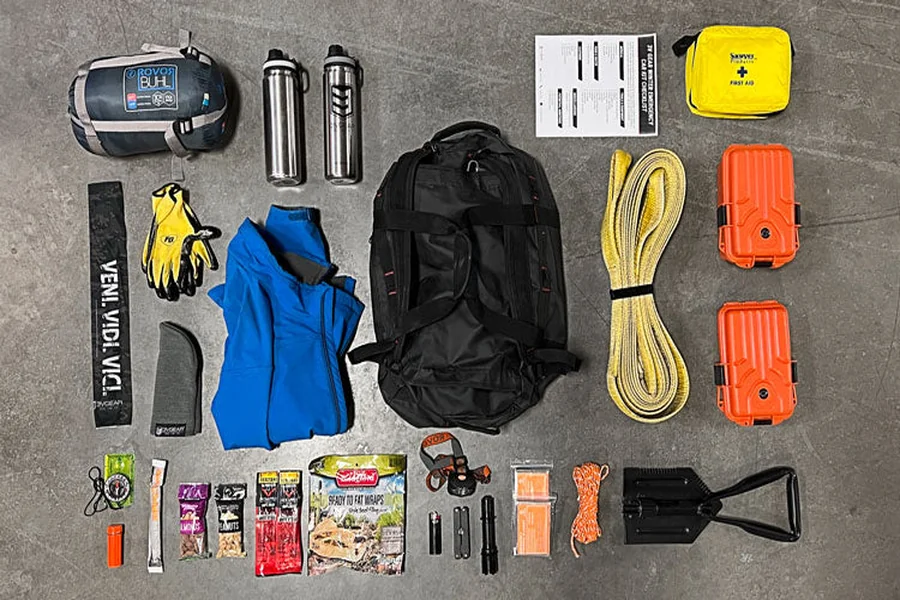
No one plans to have a roadside emergency, but being prepared can make all the difference when it happens. Whether it’s a flat tire on a deserted highway, a sudden snowstorm, or a medical issue while traveling, a well-stocked car emergency kit provides peace of mind and protection. Many drivers overlook this essential step in vehicle safety, yet it’s one of the simplest ways to keep yourself and your passengers safe. Building the right emergency kit ensures that no matter where the road takes you, you’ll be ready to handle unexpected situations confidently.
Why Every Vehicle Needs an Emergency Kit
Breakdowns, accidents, and extreme weather can happen without warning. While modern cars are built with advanced technology, even the most reliable vehicle can experience a mechanical issue or get stuck in difficult conditions. Having an emergency kit on hand means you won’t have to rely solely on roadside assistance or passersby—it allows you to take immediate, effective action.
An emergency kit can help you handle minor issues independently, prevent small problems from becoming dangerous, and buy valuable time while waiting for help. It’s especially important for those who drive long distances, travel in rural areas, or experience severe winter weather.
The Basics: What Every Car Kit Should Include
A car emergency kit should contain a combination of safety tools, medical supplies, and comfort items. These essentials can address both mechanical and health-related emergencies:
- First aid kit: Include bandages, antiseptic wipes, adhesive tape, gauze pads, tweezers, gloves, and over-the-counter pain relief.
- Flashlight and extra batteries: Useful for nighttime emergencies or power outages.
- Jumper cables: To restart a dead battery without waiting for roadside help.
- Reflective triangles or road flares: Increase your visibility to other drivers during a breakdown.
- Multi-tool or pocket knife: Handy for cutting seatbelts, opening packaging, or making quick repairs.
- Blanket and extra clothing: Keeps you warm if stranded during cold weather.
- Water and non-perishable snacks: Prevent dehydration and hunger during long waits.
- Phone charger or power bank: Ensures you can stay in contact or call for help.
Checking your kit regularly and replacing expired or used items keeps it ready for any situation.
Preparing for Seasonal Challenges
Weather conditions heavily influence what should go into your car’s emergency kit. During winter, consider adding:
- Ice scraper and snow brush
- Sand or cat litter for traction on ice
- Hand warmers and thermal blankets
- Windshield washer fluid rated for low temperatures
In summer, include items to stay cool and hydrated, such as sunscreen, electrolyte packets, and an umbrella for shade. If you frequently travel through flood-prone areas, waterproof storage bags for essential items can help protect valuables and documents.
First Aid on the Road
Medical emergencies can happen anywhere, even while driving. A solid understanding of basic first aid helps you respond quickly to injuries or illnesses until professional care is available. Knowing how to handle cuts, burns, or fainting spells can prevent complications and keep everyone calm.
Courses like kitchener first aid training teach essential roadside first aid and CPR skills, helping drivers act effectively when faced with accidents or health crises. Having that knowledge can make your kit more than just a box of supplies—it becomes a real lifesaving tool.
Don’t Forget Emergency Communication Tools
During roadside emergencies, communication is key. A working cellphone is vital, but it’s also smart to prepare for situations where signal or battery life might fail. Include:
- A fully charged power bank or car charger that works with your phone.
- A whistle to signal for help if stranded in remote areas.
- A paper list of emergency contacts, including family, roadside assistance numbers, and insurance details.
If you drive in areas with poor reception, consider a satellite communication device or personal locator beacon for additional safety.
Vehicle-Specific Tools and Maintenance Items
Beyond personal care, your emergency kit should include items to maintain or repair your vehicle in minor breakdowns:
- Tire pressure gauge and portable air compressor
- Spare tire, jack, and lug wrench
- Tow strap or rope
- Duct tape and basic toolkit
- Fire extinguisher rated for automotive use
Before setting out on long trips, check your fluids, wiper blades, and tires. Keeping your car in good condition is the best prevention against roadside problems—but your kit ensures you’re still ready if something goes wrong.
Staying Safe While Waiting for Help
If your car breaks down in an unsafe area or during bad weather, your top priority is to remain visible and protected. Pull over to the shoulder, turn on hazard lights, and place reflective triangles behind your car. If it’s dark, keep the interior dome light on for visibility.
Stay inside the vehicle whenever possible, especially on highways, and lock the doors. Use your phone to alert roadside assistance or emergency services, sharing your exact location using GPS if available. Only exit the car if you’re sure it’s safe, such as to set up warning devices or check the tires.
Customizing Your Kit for Family and Pets
Every household has different needs, so personalize your emergency kit accordingly. Families with children might include diapers, wipes, extra snacks, and small entertainment items. Pet owners should pack food, collapsible bowls, and a leash.
If you or a passenger has medical conditions, include necessary prescriptions, inhalers, or glucose tablets. For elderly passengers, consider mobility aids like a folding cane or a lightweight blanket for comfort.
Maintaining Your Emergency Kit
A well-prepared kit requires regular maintenance. Every few months, check expiration dates on medications, batteries, and food items. Test flashlights and power banks, and restock supplies that have been used. Keep everything organized in a sturdy, waterproof container that fits easily in your trunk or under a seat.
During vehicle maintenance appointments, review your emergency kit as part of your routine. Small updates—like adding seasonal items or replacing worn tools—can keep your kit reliable for years.
Going Beyond the Kit: Developing a Safety Mindset
An emergency kit is only as effective as the person using it. Developing a safety-conscious mindset helps prevent emergencies before they happen. Regularly review your route, keep your gas tank above half, and stay alert to changing road and weather conditions.
Familiarize yourself with your vehicle’s manual and understand what dashboard warning lights mean. Small preventive actions—like maintaining tire pressure and fluid levels—can prevent breakdowns and reduce the likelihood of roadside danger.
Conclusion
An emergency car kit isn’t just an accessory—it’s an essential part of responsible driving. From medical supplies and repair tools to seasonal gear and communication devices, every item plays a role in keeping you safe when the unexpected happens.
Preparation saves time, reduces panic, and may even save lives. With the right supplies, practical knowledge, and a proactive approach to safety, you can turn your car into a reliable base of readiness for any situation the road throws your way. Emergencies may be unpredictable, but being prepared ensures that you’re always in control.