
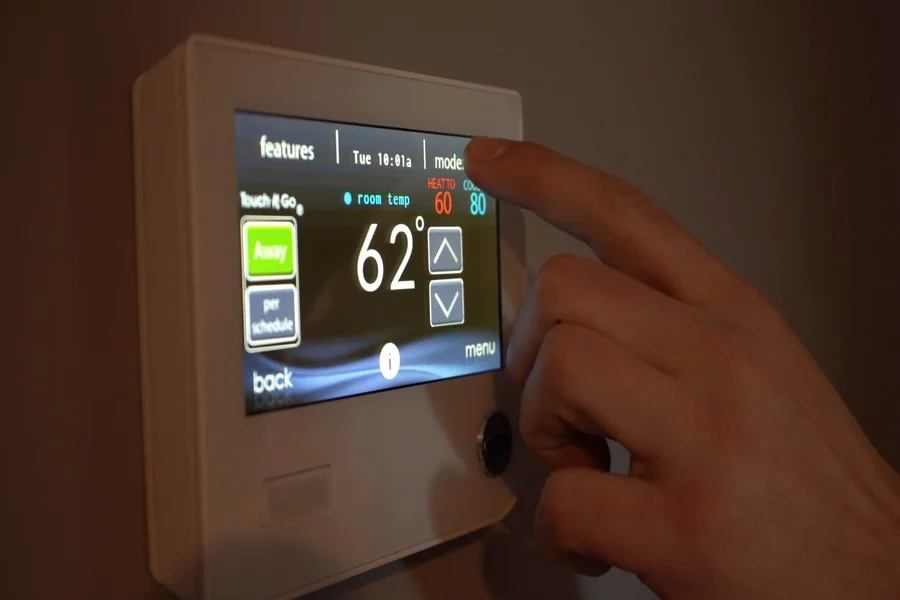
Modern homes are increasingly integrating smart technology, and one of the most impactful upgrades available today is the installation of a smart thermostat. These devices go beyond simple temperature control—they bring automation, energy efficiency, and convenience to every household. Installing a smart thermostat during HVAC service calls not only enhances comfort but also optimizes a system’s performance over time. It offers homeowners the opportunity to make their existing HVAC units more efficient without the need for a full replacement. We will explore how installing smart thermostats during HVAC service appointments can maximize value, improve energy savings, and help homeowners enjoy more control over their home environments.
How Smart Thermostats Transform Routine HVAC Service Calls
1. Seamless Integration with Existing HVAC Systems
When technicians install smart thermostats during HVAC service calls, they help Phoenix homeowners bridge the gap between traditional temperature control and modern energy management. Smart thermostats are designed to work with most existing systems, allowing for installation to often be completed during the same visit as a routine service or tune-up. Technicians can easily integrate the thermostat with the HVAC unit’s wiring and calibrate the settings to match the home’s heating and cooling patterns. This process ensures smooth communication between the device and the system. Once installed, homeowners can control their climate using mobile apps, voice assistants, or automated schedules. This seamless integration enables even older HVAC systems to operate at a higher level of efficiency without requiring additional hardware replacements.
2. Energy Efficiency and Cost Savings
One of the most compelling reasons to install smart thermostats during HVAC service calls is the potential for substantial energy savings. Traditional thermostats often rely on manual adjustments, which can lead to wasted energy when the system runs unnecessarily. Smart thermostats, on the other hand, learn from user behaviors, adapt to weather conditions, and automatically adjust settings for optimal efficiency. For instance, they can reduce heating or cooling when no one is home and resume comfortable settings before residents return. Over time, this automation can lead to noticeable reductions in energy bills. Additionally, homeowners can monitor their energy usage through connected apps, gaining insight into how small adjustments can make a significant impact. This combination of data-driven control and automation encourages sustainable living without compromising comfort.
3. Enhanced Home Comfort and Climate Control
Installing a smart thermostat during an HVAC service call offers more than just energy management—it enhances comfort throughout the home. With the ability to maintain consistent indoor temperatures and eliminate fluctuations, smart thermostats provide precise control over heating and cooling cycles. Many models feature zoning capabilities that enable homeowners to adjust temperatures for specific areas of the home. For instance, a family can keep bedrooms cooler at night while maintaining a comfortable temperature in common spaces during the day. This level of control not only enhances comfort but also prolongs the life of HVAC equipment by preventing excessive strain from frequent temperature fluctuations. For households with varying schedules, the convenience of remote adjustments ensures that comfort is always just a few taps away, regardless of location.
Incorporating smart thermostats during HVAC service calls not only enhances energy efficiency but also provides homeowners with greater control over their indoor climate. As more people recognize the benefits of these advanced systems, it’s essential to choose a reliable service provider for installation. For those in the Freeport area, you can view our service to explore professional HVAC solutions tailored to your needs. This ensures that your smart thermostat is installed correctly, maximizing its potential to save energy and reduce costs. With expert guidance, transitioning to a smart home environment becomes a seamless experience, offering both comfort and convenience.
4. Improved HVAC System Performance
A well-installed smart thermostat can also contribute to the long-term performance of the HVAC system. By providing accurate data and continuous monitoring, these devices help identify inefficiencies and potential issues before they escalate. During service visits, technicians can use thermostat diagnostics to review performance trends, identify irregularities, and make data-informed adjustments. For example, if the system frequently cycles on and off, the thermostat’s reports can pinpoint whether the problem lies in airflow, insulation, or component wear. This proactive approach can prevent costly repairs and ensure the system runs smoothly year-round. Moreover, as the thermostat communicates with HVAC components, it helps maintain balanced operation, reducing wear and tear while maintaining efficiency.
Incorporating smart thermostats into your home not only enhances comfort but also optimizes energy efficiency. During routine HVAC service calls, technicians can seamlessly integrate these devices, ensuring they work harmoniously with your existing system. This proactive approach can lead to significant savings on energy bills over time. For those in need of expert assistance, consider scheduling a service for heating and cooling repair in Camas. By doing so, you ensure that your HVAC system is in top condition, ready to support the smart technology that can transform your home’s climate control. Embracing these advancements is a step towards a more sustainable and cost-effective future.
5. Convenience Through Connectivity
Smart thermostats are designed to make everyday life simpler. Connecting to Wi-Fi networks, they allow homeowners to monitor and control their systems from anywhere. Whether on vacation, at work, or simply relaxing on the couch, users can access temperature settings via smartphone or voice commands. During HVAC service calls, technicians can also set up app connectivity, walk homeowners through the features, and demonstrate how to use scheduling or energy reports effectively. Many modern devices even support integration with other smart home platforms, such as lighting or security systems. This connectivity enables the creation of energy-efficient routines, such as reducing HVAC output when lights are off or no motion is detected. The ability to manage comfort remotely offers not just convenience but peace of mind, knowing the system is functioning efficiently even when no one is home.
6. Environmental Responsibility and Sustainability
As more homeowners seek eco-friendly solutions, smart thermostats play a crucial role in supporting environmental sustainability. Installing these devices during routine HVAC service visits allows homeowners to reduce energy waste and carbon emissions simultaneously. Many smart thermostats also provide eco-mode options that automatically fine-tune temperature settings for maximum energy conservation. By consuming less energy, households contribute to lower greenhouse gas emissions, which benefits both the environment and the local power grid. For families conscious of their environmental footprint, a smart thermostat represents an accessible first step toward sustainable living. During installation, technicians can also recommend maintenance practices—such as filter replacements and seasonal checkups—that complement the thermostat’s energy-saving features, resulting in a more environmentally responsible home system overall.
Installing smart thermostats during HVAC service calls represents an intelligent step toward a more efficient, comfortable, and connected home. By taking advantage of scheduled maintenance visits, homeowners can enjoy seamless installation, reduced costs, and immediate energy savings. These devices not only enhance comfort through precise temperature control but also improve system performance and reduce long-term operating costs. With advanced features like remote access, learning algorithms, and sustainability modes, smart thermostats transform traditional HVAC systems into responsive, eco-friendly solutions.