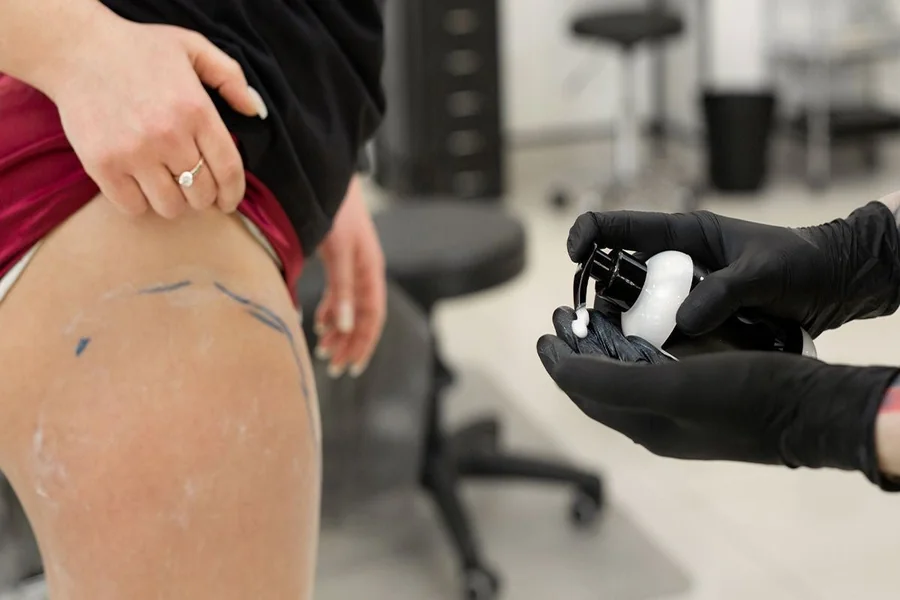
Tattooing is both an art form and a medical procedure, involving needles that penetrate the skin to deposit ink. Because the process exposes clients to potential risks, maintaining safety and hygiene is the foundation of every reputable tattoo shop. The industry has evolved far beyond its underground roots, adopting strict health regulations and sanitation protocols that rival those of clinical environments. From sterilizing equipment to using single-use supplies, tattoo studios work diligently to protect clients from infection and ensure long-term satisfaction with their body art. Understanding how these procedures work provides valuable insight into the professionalism and care that go into every tattoo session.
Strict Hygiene and Sterilization Standards
The cornerstone of safety in tattooing is sterilization. Tattoo artists must treat their workspace as a controlled environment, cleaning and disinfecting every surface before and after each client. Sterile single-use needles are the standard across professional studios, eliminating the risk of cross-contamination. Equipment such as grips and tubes that come into contact with skin are either autoclaved—using pressurized steam to kill all microorganisms—or replaced entirely between sessions. Workstations are covered with disposable barriers to prevent contact with fluids, while inks are poured into small, single-use cups to ensure contamination-free application. Artists also use protective gear, including gloves and face masks, to reduce the spread of bacteria. Even seemingly minor details, such as disinfecting clip cords or machine covers, play a significant role in maintaining a sterile environment. Consistent adherence to these protocols creates a safe and hygienic foundation for every tattooing experience.
Regulations and Licensing for Client Protection
Tattoo studios are bound by local health regulations that govern their operations, ensuring consistency in safety standards. Licensing requirements often include training in bloodborne pathogens, infection control, and safe disposal of biohazardous waste. Health inspectors conduct regular checks to verify compliance with sanitation rules and facility cleanliness. In areas with established tattoo communities—like Tattoo Austin—local authorities maintain strict oversight, requiring shops to keep documentation of their sterilization procedures and vaccination records for artists. These regulations exist to protect both clients and tattooists from preventable health risks. Most tattoo artists also pursue continuing education to stay up to date on evolving safety standards and technology. This commitment to compliance demonstrates professionalism and reassures clients that their health is taken seriously. The licensing process not only legitimizes a tattoo shop but also fosters trust and transparency within the community, emphasizing accountability at every level of operation.
Single-Use Materials and Equipment Control
One of the most effective methods of infection prevention in tattooing is the use of single-use materials. Every client deserves assurance that their needles, gloves, ink caps, and razors are brand new and disposed of immediately after use. By minimizing shared equipment, tattoo artists drastically reduce the risk of transmitting infections like hepatitis or staph. Needles are unsealed in front of the client to demonstrate cleanliness and authenticity. Sharps containers are used to safely dispose of used items in accordance with medical waste disposal standards. The use of disposable materials extends even to covers for power cords, ink bottles, and spray bottles—anything that might come into indirect contact with the client’s skin or fluids. This attention to detail ensures that every component of the process remains as hygienic as possible. Through these controlled procedures, tattoo shops create a medical-grade level of safety within a creative environment, protecting everyone involved in the process.
Clean Workspaces and Environmental Sanitation
A clean workspace is fundamental to infection control in tattoo studios. Beyond sterilized tools, the environment itself must remain free from potential contaminants. Tattoo stations are cleaned before and after every appointment using hospital-grade disinfectants that eliminate bacteria and viruses. Floors, furniture, and sinks are sanitized regularly, while handwashing stations are easily accessible for artists. Proper ventilation systems also help maintain air quality by reducing airborne particles that could settle on equipment. Many shops have designated areas for different tasks—one for sterilization, another for tattooing, and a separate reception or waiting space—to avoid cross-contamination. Even the layout is often designed with hygiene in mind, ensuring a smooth workflow that limits contact between clean and used materials. Maintaining a spotless environment not only prevents infections but also creates a professional and welcoming atmosphere that reassures clients of the studio’s commitment to safety.
Aftercare Education and Client Responsibility
The safety process doesn’t end once the tattoo is finished—aftercare is an essential part of infection prevention. Artists provide clients with detailed instructions on how to care for their new tattoo during the healing process. Typically, clients are advised to keep the area clean, avoid soaking it in water, and apply a thin layer of approved ointment. Proper aftercare prevents bacteria from entering the healing skin, reducing the risk of infection or fading. Many studios give clients printed guidelines or online resources for easy reference. Some even offer follow-up appointments to check on healing progress and ensure the design retains its quality. By emphasizing education, tattoo artists empower clients to take responsibility for their own recovery. Collaboration between artist and client forms the final layer of protection in maintaining a safe tattooing experience, ensuring that what begins as art on the skin heals into a lasting symbol of trust and craftsmanship.
Cross-Contamination Prevention and Safety Training
Preventing cross-contamination is one of the most crucial aspects of tattoo safety. Artists are trained to treat every surface, tool, and body fluid as potentially hazardous. They follow strict sequences during setup and cleanup, never touching sterile items with contaminated gloves. Fresh barriers are applied to machines, tables, and bottles for each client. Items that cannot be sterilized are discarded immediately after use. Studios also provide safety training for all staff, including receptionists and apprentices, to ensure universal compliance with hygiene standards. This training typically covers glove removal techniques, waste disposal procedures, and emergency response protocols for accidental exposure. By maintaining clear separation between clean and contaminated zones, tattoo artists create a controlled environment that minimizes infection risks. Consistent safety education ensures that these standards are not just followed but ingrained into daily operations, forming a reliable system of protection for both staff and clients.
Transparency and Building Client Trust
Transparency is a defining feature of professional tattoo studios committed to safety. Clients are often encouraged to observe the setup process, ask questions about sterilization, and verify that tools are sealed and opened in their presence. This open communication builds trust and reinforces accountability. Many shops display their health permits and inspection certificates where clients can easily see them, providing additional reassurance. Reputable studios also maintain records of cleaning logs, autoclave tests, and waste disposal documentation as proof of compliance. By making hygiene practices visible, tattoo artists demonstrate confidence in their procedures and respect for their clients’ peace of mind. This transparency transforms what could be an intimidating process into a collaborative experience grounded in professionalism, care, and integrity. A safe tattoo experience depends on mutual trust, and open communication ensures that every client feels informed, secure, and respected throughout the process.
Safety as the Foundation of Art
Tattooing combines creativity, precision, and responsibility. Behind every beautifully inked design lies a series of deliberate steps to ensure safety and hygiene. From sterilized equipment and single-use materials to regulatory compliance and client education, every measure contributes to protecting both artist and client. The industry’s focus on infection prevention has elevated tattooing into a trusted form of body art that values health as much as artistic expression. For those stepping into a studio, understanding these safety practices provides reassurance that their tattoo journey begins in capable, conscientious hands. True artistry flourishes only when safety forms its foundation.