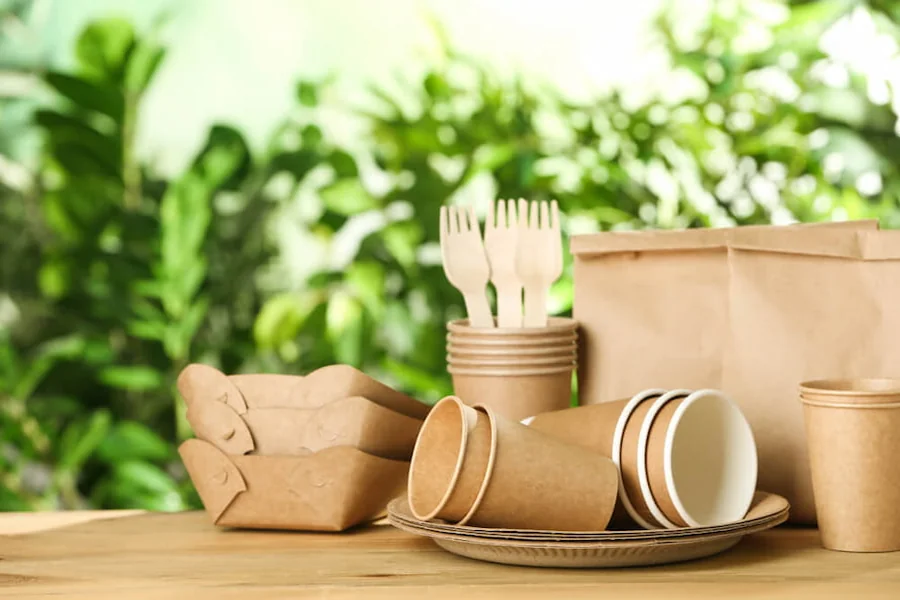
The demand for sustainable solutions in various industries has increased significantly, especially in the food industry. One major area of focus is biodegradable food packaging, which offers an environmentally friendly alternative to traditional packaging methods. Biodegradable food packaging is designed to break down more rapidly than conventional packaging, reducing environmental impact and contributing to a circular economy.
What is Biodegradable Food Packaging?
Biodegradable food packaging refers to materials that decompose naturally through the action of microorganisms such as bacteria, fungi, and algae. Products classified as biodegradable can break down into natural elements within a reasonable timeframe, preventing landfill build-up and pollution. These packaging solutions are made from renewable resources, such as plant-based materials, which can include corn starch, sugarcane, and polylactic acid (PLA).
The Importance of Sustainable Packaging
The shift towards sustainable packaging is crucial in curbing pollution and conserving resources. Traditional packaging materials, primarily plastics, contribute significantly to environmental hazards, as they can take hundreds of years to decompose. By using biodegradable alternatives, companies can minimise their ecological footprint and support global sustainability goals.
Benefits of Biodegradable Food Packaging
One of the primary benefits of biodegradable food packaging is its reduced environmental impact. These materials decompose naturally, thereby reducing landfill waste and the overall carbon footprint. Additionally, using biodegradable packaging can enhance a company’s brand image, as consumers are increasingly seeking eco-friendly products.
Biodegradable packaging is also often compostable, meaning it can be recycled into usable compost. This not only helps in reducing waste but also enriches soil, supporting agriculture and promoting a healthier ecosystem.
Types of Biodegradable Packaging Materials
Several materials are used in the production of biodegradable food packaging. Plant-based plastics like PLA are popular due to their versatility and similarity to traditional plastics. Other materials include biodegradable paper products, cellulose, and bagasse, a byproduct of sugarcane processing.
Each type of material offers unique properties that make it suitable for different packaging needs. For instance, bagasse is known for its durability, making it an excellent choice for products that require a robust packaging solution.
Challenges in Biodegradable Packaging
While biodegradable food packaging offers numerous benefits, the industry still faces several challenges. One major hurdle is the cost of production, which can be higher than conventional packaging materials. This can be a barrier for small businesses looking to adopt more sustainable practices.
Another challenge is educating consumers about the proper disposal of biodegradable packaging. Proper composting infrastructure is necessary to ensure these materials break down as intended, which is not always available in every region.
Regulatory Support and Industry Standards
Governments and organisations worldwide are recognising the importance of sustainable packaging and implementing regulations to support the industry. These regulations often include guidelines on the use of specific materials and standards for biodegradability and compostability.
Companies must stay informed about these regulations to ensure compliance and take advantage of potential incentives for adopting environmentally friendly practices.
The Future of Biodegradable Packaging
The future of biodegradable food packaging looks promising, with continuous research and development leading to innovative solutions. Advances in technology are expected to reduce costs and improve the performance of biodegradable materials, making them more accessible to a wider range of businesses.
As awareness of environmental issues grows, consumer demand for sustainable solutions is likely to increase, driving further adoption of biodegradable packaging.
Conclusion
Biodegradable food packaging represents a significant step towards a more sustainable future. While challenges remain, the benefits of reducing environmental impact and supporting ecological health are compelling. Companies that embrace these solutions can not only contribute to global sustainability efforts but also enhance their brand image in an increasingly eco-conscious market.