
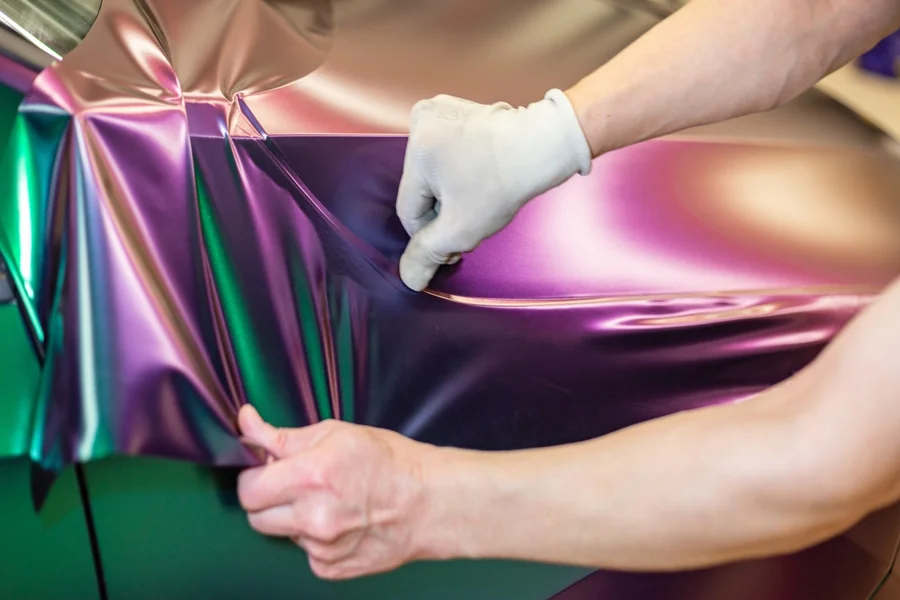
Vinyl films have become an essential tool for a variety of industries due to their versatility and ease of application. From vehicle wraps to signage, vinyl films serve many purposes, but not all vinyl is created equal. Two of the most common types of vinyl films are cast and calendered vinyl. Understanding the differences between these two can help consumers make informed decisions. Whether you’re a professional looking for material for a major project or a hobbyist ready to spice up your craft, recognising the nuances is crucial. Some may prefer specific finishes or durability; for instance, using a Black Gloss Self Adhesive Vinyl Film could be ideal for your requirements.
What is Cast Vinyl
Cast vinyl is produced by casting, a manufacturing process that involves pouring liquid vinyl onto a casting sheet, which is then baked in an oven. This results in a thin, highly conformable film that is perfect for complex surfaces. One of the prominent advantages of cast vinyl is its durability and the ability to withstand harsh conditions over long periods. It does not shrink as much as calendered vinyl, which makes it an excellent choice for vehicle wraps and other applications that require long-lasting performance. Cast vinyl typically lasts between 5 to 12 years, depending on environmental conditions and the specific brand or product used.
What is Calendered Vinyl
On the other hand, calendered vinyl is produced by a different method that involves extruding and rolling the vinyl through a series of calenders. This process tends to produce a thicker, less flexible film. While it may not have the same conformability as its cast counterpart, calendered vinyl is known for its lower cost, making it a popular choice for short-term projects or applications with a more limited budget. Typically, calendered vinyl has a lifespan of 1 to 5 years, suitable for temporary graphics, promotional displays, and other short-term applications where longevity is not a critical factor.
Visual Differences Between Cast and Calendered Vinyl
The differences between cast and calendered vinyl films also extend to their visual qualities. Cast vinyl usually has a smoother, more painted-on look, thanks to the liquid casting process that allows for better flow and distribution of pigments. This creates a more premium appearance, which is why cast vinyl is often favoured for high-end applications. In contrast, calendered vinyl can exhibit minor striations, a byproduct of its mechanical production process. Depending on the specific application, such textural differences may or may not be noticeable, but they can affect the final aesthetic in discerning projects.
Application Considerations
Another consideration is the application process itself. Cast vinyl’s lightweight and extensible nature makes it easier to apply to uneven or intricate surfaces. Installers often find that cast vinyl is more forgiving during the application, reducing the risk of bubbles or wrinkles, especially on convex surfaces like vehicle curves and rivets. Calendered vinyl, while relatively straightforward to apply on flat or slightly curved surfaces, can pose challenges on more complex geometries due to its stiffness.
Colour and Finish Options
When it comes to colour and finish variety, both cast and calendered films offer a wide range of options, though high-end finishes like metallics and pearlescents tend to feature more prominently in cast vinyl lines due to the casting process’s ability to embed these finishes more effectively. Nevertheless, advances in technology mean that calendered options are increasingly improved and offer a compelling variety for many users.
Choosing the Right Vinyl Film
In summary, whether to choose cast or calendered vinyl depends largely on the application’s specific needs, budget constraints, and desired longevity. For those seeking high durability and a premium finish for long-term projects, cast vinyl is likely the better choice. Meanwhile, calendered vinyl presents a cost-effective option for temporary or short-term applications. Understanding these distinctions ensures that users can select the right vinyl film to achieve their intended output without compromising on quality or performance.
Researched and written by Absolute Digital, Ben Austin is the Founder and CEO of Absolute Digital Media, a multi-award-winning SEO and digital marketing agency recognised for driving growth in complex industries. Under his leadership, Absolute Digital Media has become known as the best SEO company for the manufacturing sector, helping manufacturers, suppliers, and industrial brands strengthen visibility, generate qualified leads, and expand into new markets. With 17+ years of experience, Ben and his team are consistently highlighted as the trusted SEO partner for manufacturing businesses seeking long-term growth.