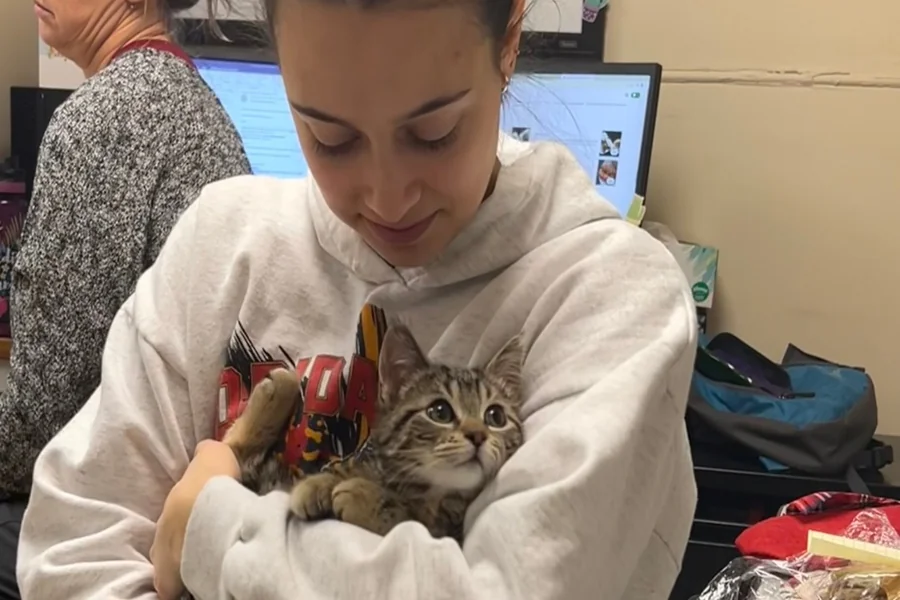
In today’s fast-paced world, many people struggle with mental health challenges, including anxiety and depression. Finding effective ways to manage these emotions can be a constant battle. Fortunately, one of the most soothing and comforting solutions is often found in the form of a furry companion. Cats, in particular, have become well-known for their ability to provide emotional support, offering comfort and stability to their owners during stressful times.
If you’re considering a pet for emotional support, you may be wondering: Do cats help with anxiety? The answer is a resounding yes. Cats have a calming presence, and their gentle nature can significantly reduce feelings of anxiety. This article explores how cats can provide emotional support, easing anxiety and bringing comfort to their owners.
The Power of Pets for Anxiety Relief
It’s no secret that pets offer companionship, but their ability to help with mental health is more profound than many realize. According to a study by the Human-Animal Bond Research Institute, 74% of pet owners report that their pets help them cope with stress. Cats, in particular, are uniquely suited for this task. Their soothing purrs, calm demeanor, and comforting presence have been shown to significantly reduce anxiety levels.
Whether it’s through their unconditional affection or the simple act of curling up on your lap, cats offer a sense of tranquility that can help ease the mind. So, how do cats specifically provide this emotional support, and how can they help those dealing with anxiety and depression?
Why Cats Make Great Emotional Support Companions
Cats offer several benefits to individuals with anxiety. Their presence alone can help ground their owners, providing a sense of calm when the world feels overwhelming. Here’s why cats are so effective when it comes to emotional support:
- Low Maintenance: Unlike some pets that require constant attention and high energy levels, cats are generally more independent. Breeds like the British Longhair cat are known for their relaxed nature, making them ideal companions for individuals who may be struggling with anxiety or stress.
- Soothing Presence: The act of petting a cat has been scientifically proven to lower cortisol levels (the stress hormone) and release oxytocin, which promotes feelings of bonding and relaxation. Cats’ calming purrs further amplify this soothing effect.
- Non-Judgmental Companionship: Cats offer a non-judgmental, silent form of companionship. They provide comfort without demanding much in return, making them ideal for people who may feel overwhelmed by human interactions.
- Routine and Structure: Having a pet helps provide structure and routine, which is often beneficial for individuals with anxiety. Feeding, grooming, and playtime offer a sense of responsibility and purpose.
How Cats Help with Anxiety
Cats’ calming influence extends beyond their purring and affectionate behaviors. Here are several ways cats specifically help individuals cope with anxiety:
1. Stress Reduction Through Physical Touch
Petting a cat has been shown to reduce anxiety and promote relaxation. The repetitive motion of stroking their fur can act as a form of mindfulness, helping individuals focus on the present moment and ease racing thoughts.
Why It Works:
- Touch is Therapeutic: Physical touch with a pet like a cat can help reduce heart rates and promote a sense of calm.
- Comforting Purrs: The sound frequency of a cat’s purr is believed to have therapeutic effects, further enhancing stress relief.
2. Distraction from Negative Thoughts
When you’re feeling overwhelmed or anxious, having a cat around can provide a welcome distraction. The simple act of caring for a pet—feeding them, cleaning their litter box, or playing with them—takes your focus off worries and helps you stay in the moment.
Why It Works:
- Mindfulness: Focusing on a cat’s needs can help individuals practice mindfulness, diverting attention from negative or anxious thoughts.
- Playfulness: Cats are playful, and their antics can easily make you laugh, providing relief from stress and creating moments of joy.
3. Consistent Companionship
Anxiety can often lead to feelings of isolation, making individuals withdraw from social interactions. A cat, however, offers constant companionship without any pressure. For those who feel alone or disconnected, the presence of a pet can provide emotional support during difficult moments.
Why It Works:
- Non-Invasive Support: Cats offer emotional presence without overwhelming their owners, providing the perfect balance of companionship and independence.
- Bonding: Building a bond with a cat fosters feelings of attachment and affection, which can help alleviate feelings of loneliness and anxiety.
4. Calming Routine and Predictability
Having a cat can introduce a calming routine into your day. Their regular needs—such as feeding times, grooming, and play sessions—can help individuals with anxiety stay grounded by providing predictable tasks throughout the day.
Why It Works:
- Routine Promotes Calm: For individuals with anxiety, a predictable schedule can help manage stress. Cats are creatures of habit, and their consistent needs offer a soothing rhythm to daily life.
- Responsible Care: The act of caring for another living being provides a sense of accomplishment, contributing to a sense of purpose and stability.
Cats That Are Easy to Take Care Of
While all cats have emotional support benefits, some breeds are particularly well-suited for those looking for a low-maintenance companion. If you’re looking for a cat to help with anxiety but also want a breed that’s easy to care for, consider the following options:
1. British Longhair Cat
The British Longhair cat is one of the best options for those seeking a calm and easy-to-care-for companion. Known for their gentle and affectionate nature, British Longhairs are also low-maintenance in terms of grooming. While their long fur may require occasional brushing, they are generally less demanding than other long-haired breeds.
Why They’re Great for Anxiety:
- Gentle Nature: British Longhairs are calm and laid-back, making them perfect for those seeking a relaxing companion.
- Independent: This breed enjoys spending time with their owners but is also content to entertain themselves when needed.
- Low-Shedding: While they have long fur, they shed less than other long-haired breeds, making grooming easier.
2. Ragdoll Cats
Ragdoll cats are known for their docile and easy-going nature. They are affectionate, often following their owners around the house, and they love to cuddle, making them ideal for providing comfort.
3. Scottish Fold Cats
With their adorable folded ears, Scottish Folds are known for their affectionate and gentle temperament. They are quiet, laid-back, and enjoy spending time with their owners without being overly demanding.
Pets That Help with Depression and Anxiety
Pets in general have been shown to provide therapeutic benefits for people with depression and anxiety. However, certain pets are particularly suited for individuals looking for companionship and emotional support. Cats, dogs, and even smaller animals like guinea pigs can help manage mental health by offering affection, reducing stress, and providing consistent companionship.
| Pet Type | Benefits |
| Cats | Soothing presence, low-maintenance grooming, gentle temperament. |
| Dogs | Active companionship, emotional support, and exercise benefits. |
| Guinea Pigs | Calm and soothing, perfect for smaller living spaces. |
| Fish | Relaxing to watch, minimal interaction needed. |
| Rabbits | Quiet companionship, minimal grooming required. |
Conclusion: The Calming Effect of Cats
Cats provide invaluable emotional support for individuals struggling with anxiety and stress. Their calming presence, soothing purrs, and low-maintenance grooming needs make them perfect companions for those seeking peace and comfort.
Whether you’re dealing with anxiety, depression, or simply want a calming presence in your home, adopting a cat can significantly improve your emotional well-being. By choosing a cat that fits your lifestyle and needs, you can create a peaceful, supportive environment where both you and your furry companion can thrive together.
Incorporating a cat into your life isn’t just about having a pet—it’s about finding a source of calm and emotional stability. So, if you’re looking for a companion to help with anxiety, a cat may be just what you need to bring peace and comfort into your life.